

Humanoid robots are entering the market fast. See how BYD, Google, and Uber are pushing AI & Tech forward and what it means for your daily life.
For years, humanoid robots felt like something out of a movie set decades in the future. That future arrived faster than almost anyone expected. In 2026, these human-shaped machines are no longer lab experiments hidden behind closed doors. They’re walking through car dealerships, working on factory floors, and quietly shaping the next chapter of AI & Tech. Three names you might not expect to see together are now leading parts of this shift: BYD, Google, and Uber.
You don’t need to be an engineer to feel the impact of this change. Whether you run a small business, work in logistics, or simply scroll tech news on your phone, humanoid robots are starting to touch industries that affect everyday life. This article breaks down what’s actually happening, why three very different companies are involved, and what you should realistically expect over the next few years. No hype, no science fiction promises, just a clear look at where this market stands today.
Table of Contents
What Are Humanoid Robots, and Why Is Everyone Talking About Them Now?
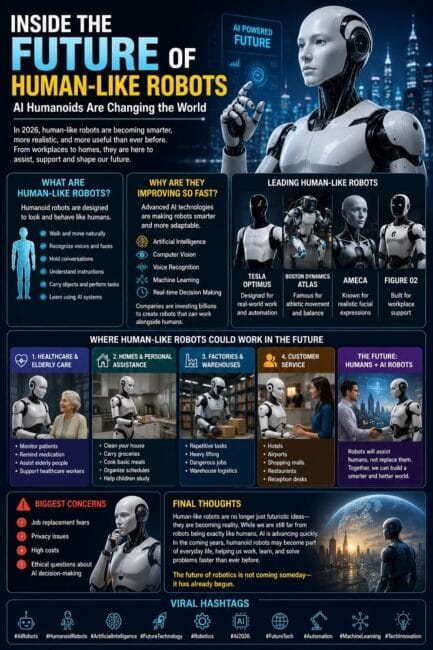
Humanoid robots are machines built to move and function the way humans do, with two legs, two arms, and a head equipped with cameras and sensors. The idea isn’t new, but what changed recently is the “brain” behind them. Earlier robotic systems followed rigid, pre-programmed routines. They could repeat a single task on an assembly line, but they couldn’t adapt if something unexpected happened around them.
That limitation is fading. Modern robots are now paired with large AI models that let them understand spoken instructions, recognize unfamiliar objects, and adjust their movements in real time. This shift from “follow the script” to “understand the situation” is the real reason these machines are suddenly everywhere in AI & Tech headlines.
Three forces are pushing this forward at the same time: cheaper hardware components, rapid progress in AI reasoning models, and growing pressure on industries facing labor shortages. Put those together, and you get a humanoid robotics market that investors poured billions of dollars into during 2025 alone, with momentum carrying strongly into 2026.
BYD’s Big Bet: From Electric Cars to Humanoid Robots
BYD built its name as the company that overtook Tesla in global electric vehicle sales. Now it wants a similar shake-up in robotics. BYD’s leadership has confirmed it is developing humanoid robots under an internal initiative known as the Yao-Shun-Yu project, which has reportedly been running quietly for several years before becoming public.
Why BYD Believes Car Manufacturing Skills Transfer to Robots
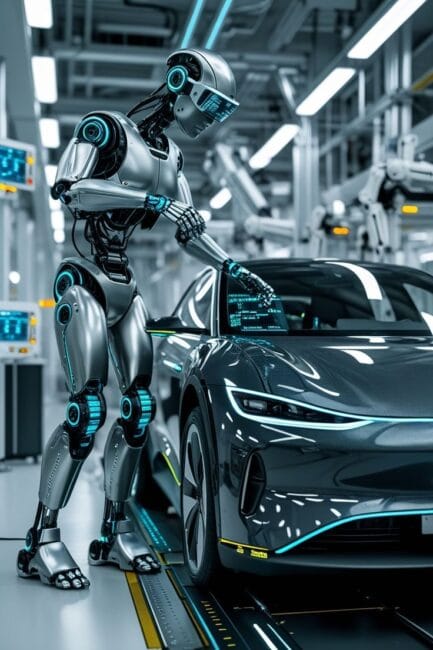
BYD executive Stella Li has argued that the software systems and precision manufacturing techniques used in modern vehicles translate directly into robot development. Cars today are packed with sensors, AI-driven decision-making, batteries, and electric actuators, which are the exact same building blocks these machines need. According to BYD, this overlap gives automakers a real manufacturing advantage over robotics startups that have to build hardware supply chains from scratch.
Where BYD Plans to Deploy Its Robots First
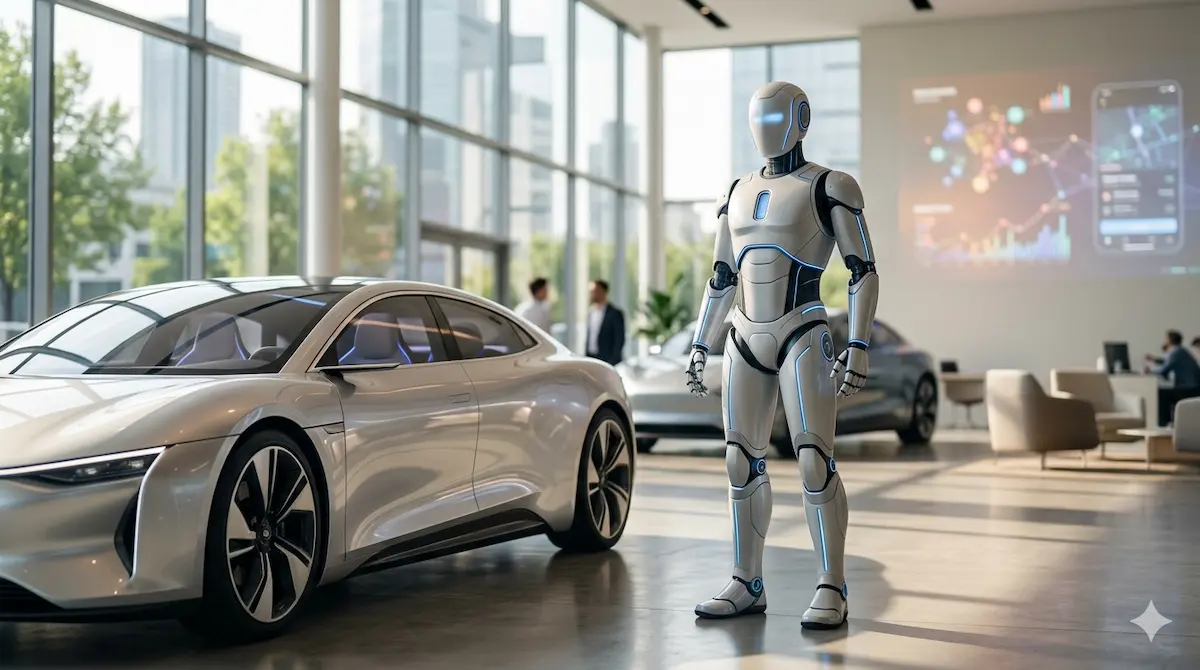
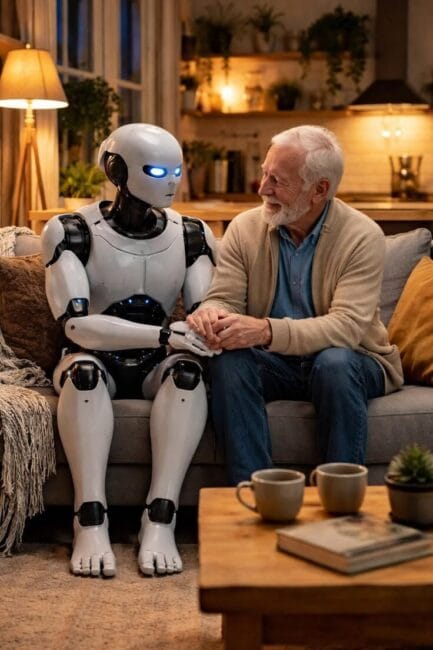
BYD’s initial rollout won’t happen in homes. The company plans to introduce humanoid robots into its global dealership network first, where they will greet customers and support sales staff. Long term, BYD has talked about its robots eventually taking on household tasks such as cleaning, cooking, and basic companionship, sold through the same dealer network that already moves millions of vehicles every year. BYD isn’t alone in this race either; rivals including Xpeng and Chery have already begun selling or testing similar machines, which tells you how seriously Chinese automakers are taking this opportunity.
Google’s Gemini Robotics: Teaching Humanoid Robots to Think
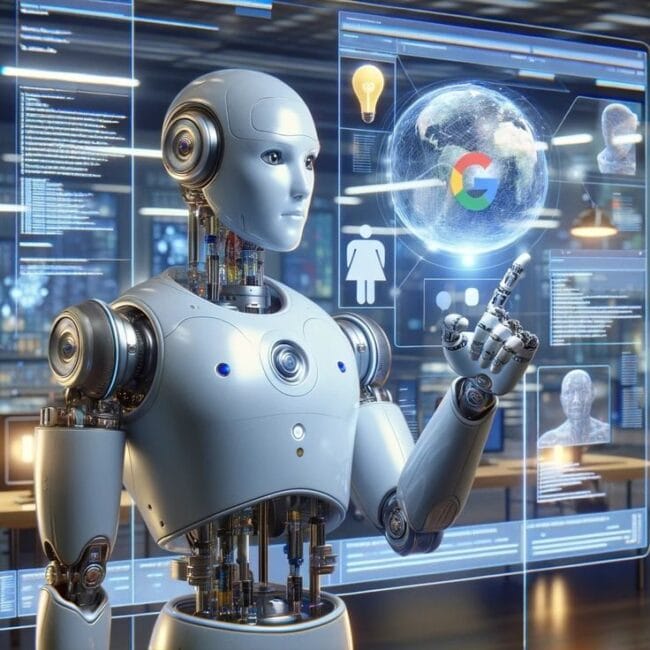
While BYD focuses on hardware and manufacturing scale, Google is tackling the other half of the equation: intelligence. Google DeepMind has spent the last couple of years building Gemini Robotics, a family of AI models designed to give these machines the ability to reason about their surroundings instead of just executing fixed commands.
The Boston Dynamics Partnership
At CES 2026, Google DeepMind and Boston Dynamics announced a partnership to combine Gemini Robotics models with Boston Dynamics’ Atlas robots. The goal is straightforward: pair one of the most advanced AI reasoning systems with one of the most physically capable robot bodies on the planet. Early demonstrations show Atlas responding to open-ended instructions, such as cleaning up a spill and alerting someone nearby, rather than waiting for a precise step-by-step command. That kind of flexible problem-solving is exactly what separates today’s robots from the rigid machines of a decade ago.
Gemini Robotics 1.5 and Learning Across Different Robot Bodies
One of the more impressive parts of Google’s approach is that its models aren’t locked to a single robot design. Gemini Robotics 1.5 can transfer skills learned on one robot, such as the two-armed ALOHA platform, over to a completely different robot, like Apptronik’s Apollo, without retraining from zero. In practical terms, this means lessons learned by one robot can speed up the entire industry instead of staying locked inside one company’s lab.
Uber’s Unexpected Role in the Humanoid Robots Race
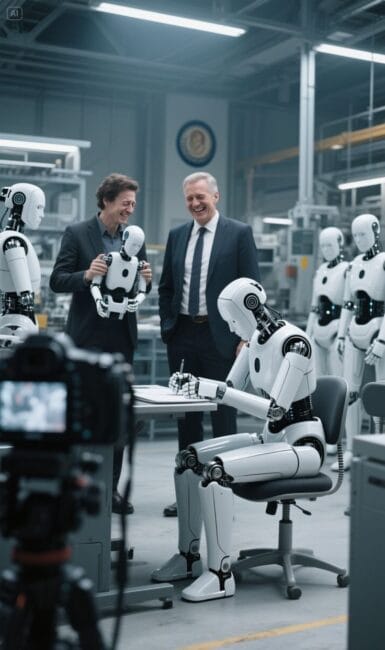
Uber doesn’t build humanoid robots, and it has no plans to put one in the passenger seat of your next ride. But the company has quietly become an important supplier to this market in a completely different way: data.
Why Training Data Is the Real Bottleneck
These robots don’t learn the way software typically does. Simulations can teach a machine to balance or walk, but they struggle to capture the messy, unpredictable physics of folding laundry, gripping an oddly shaped tool, or navigating a cluttered kitchen. Robotics companies need huge volumes of real-world video and sensor data to train these systems properly, and gathering that data is slow and expensive.
Uber AI Solutions and the Physical AI Data Factory
Uber’s answer is its AI Solutions division, a data-labeling and annotation business built on the same global contractor network it already uses for rides and deliveries. Uber has joined NVIDIA’s Physical AI Data Factory initiative alongside other robotics developers, contributing tools for labeling sensor readings, environmental cues, and multi-step robot actions. Uber also operates sidewalk delivery robots through its Serve Robotics partnership, giving it direct, practical experience with autonomous machines operating in public spaces, a skill set that translates surprisingly well into the broader robotics ecosystem. While Uber’s involvement is less flashy than BYD’s factory robots or Google’s Gemini-powered Atlas, the data and testing infrastructure it provides is exactly what robotics companies need to get these machines out of the lab and into the real world faster.
Why Humanoid Robots Are Suddenly Everywhere in AI & Tech
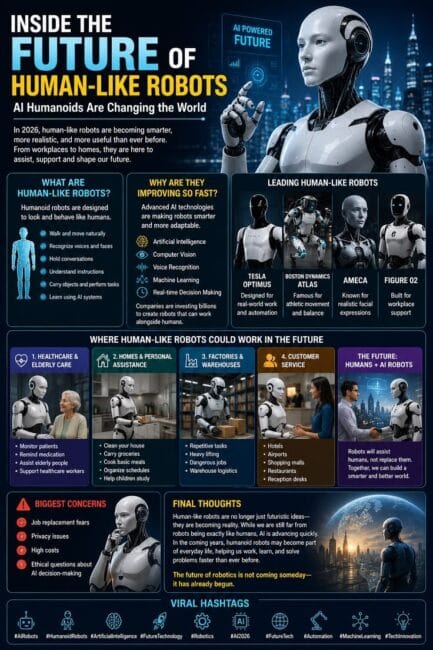
It’s not a coincidence that BYD, Google, and Uber are all moving in this direction at the same time. Three trends are converging:
First, AI reasoning models have gotten good enough to handle unpredictable, real-world environments instead of just controlled lab settings. Second, manufacturing costs for robot components, including motors, batteries, and sensors, have dropped sharply thanks to years of investment in electric vehicles. Third, industries from logistics to elder care are facing real labor shortages that these machines could realistically help fill within the next decade.
Put together, you get a moment where automakers, AI labs, and even ride-hailing companies all see a reason to get involved. That’s a strong signal that this technology has moved from a research curiosity to a genuine commercial opportunity within AI & Tech.
Challenges Still Standing Between Humanoid Robots and Your Living Room
It’s worth staying grounded here. These robots are improving quickly, but they’re not ready to replace human workers across the board. Industry reports note that some of today’s most advanced models still operate at roughly half the efficiency of a human worker on repetitive factory tasks. Battery life, fine motor control, and cost remain real obstacles.
There are also safety and labor questions worth taking seriously. Deploying these robots at scale in homes and workplaces raises legitimate concerns about job displacement, data privacy from cameras and sensors built into these machines, and the need for clear safety standards before robots work directly alongside people. Responsible companies are addressing this through phased rollouts, starting in supervised industrial settings before ever considering home use.
What the Humanoid Robots Market Means for Businesses and Everyday Life
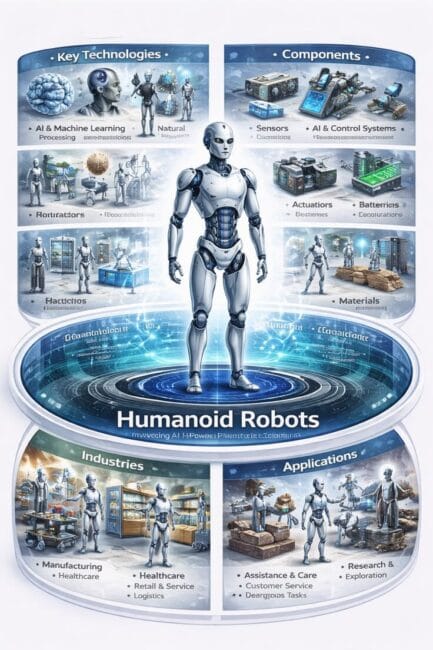
If you run a business in retail, logistics, manufacturing, or hospitality, this technology is worth watching closely over the next two to three years, even if you’re not ready to buy one yet. Early adopters in auto manufacturing and warehousing are already piloting these machines for repetitive, physically demanding tasks, which frees up human staff for higher-value work.
For everyday consumers, the more realistic timeline is longer. Don’t expect a humanoid robot vacuuming your living room next year. What you will likely see sooner is robots like these in customer-facing roles, similar to BYD’s dealership plans, and AI-powered assistants in public spaces handling simple, repeatable interactions. AI-powered logistics automation.
Frequently Asked Questions About Humanoid Robots
What companies are currently building humanoid robots?
BYD, Tesla, Xpeng, Chery, UBTech, Boston Dynamics, Figure AI, and Agility Robotics are among the leading companies building these machines in 2026. Google supports several of these efforts through its Gemini Robotics AI models, while Uber provides data labeling and testing infrastructure that helps train them without building the hardware itself.
Is BYD really making humanoid robots?
Yes. BYD confirmed in 2026 that it has been developing humanoid robots internally under a project called Yao-Shun-Yu. The company plans to first deploy them in its dealership network for customer service before exploring household applications.
How is Google involved in humanoid robots if it doesn’t build robot hardware?
Google DeepMind builds the AI “brain” rather than the physical body. Its Gemini Robotics models are licensed to and tested with robots made by partners such as Boston Dynamics and Apptronik, giving these machines the ability to reason, plan, and respond to natural language instructions.
Why is Uber connected to humanoid robots?
Uber isn’t manufacturing them. Instead, its AI Solutions division supplies the large-scale data labeling, sensor annotation, and real-world testing that robotics companies need to train these systems safely and accurately, drawing on the same global workforce Uber already uses for rides and deliveries.
When will humanoid robots be available for home use?
Most industry experts expect these robots to remain focused on factories, warehouses, and customer-facing commercial roles for at least the next three to five years before reliable, affordable home versions become widely available. Cost, battery life, and safety testing are the main factors slowing down home adoption.
CONCLUSION
The Humanoid Robots Race Is Just Getting Started
Humanoid robots have quietly moved from a niche research topic to one of the most closely watched stories in AI & Tech, and BYD, Google, and Uber represent three very different paths into that same future: manufacturing scale, AI reasoning, and real-world training data. None of these companies is promising a robot butler by next year, but together they’re building the foundation that makes one possible within this decade.
If you want to stay ahead of how this technology will reshape industries like manufacturing, retail, and logistics, keep following developments from these companies closely over the next few quarters. Subscribe to our AI & Tech newsletter for weekly breakdowns of how humanoid robots and other emerging technologies are changing the way we work and live.


One thought on “Humanoid Robots Enter the Market: BYD, Google & Uber’s Bold AI Race 2026”