

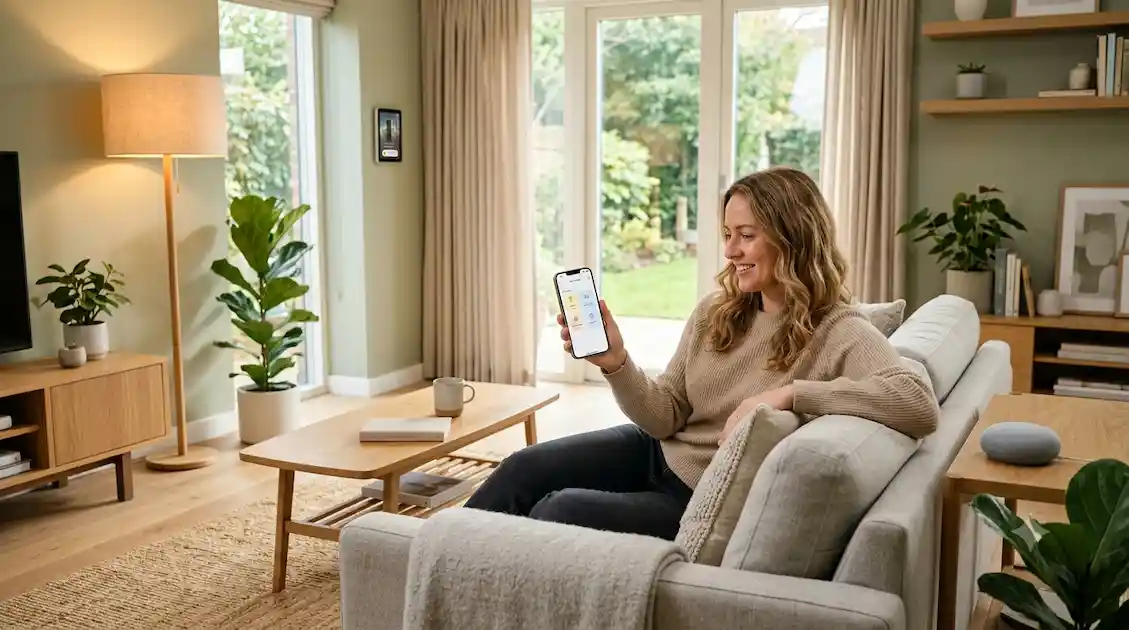
New to smart tech? Discover the best smart home and AI gadgets for non-tech people in 2026 — simple setups, no hub required, honest buying advice.
Table of Contents
Smart Home & AI Gadgets for Non-Tech People: The Complete 2026 Beginner’s Guide
If the phrase “smart home” makes you picture tangled wires, confusing apps, and a weekend lost to tech support forums, you’re not alone. Most guides to smart home tech are written by people who already own twelve gadgets and speak fluent tech-jargon. This one isn’t.
This is a guide to smart home and AI gadgets for non-tech people — the kind of person who just wants their lights to turn on without fuss, their front door to feel a little safer, and their evenings to feel a little easier. No coding. No hub. No manual thicker than a novel.
By the end of this article, you’ll know exactly which smart home gadgets for beginners in 2026 are worth your money, which AI gadgets actually save time instead of adding more screens to manage, how to set up a smart home without a hub, and — because AI has moved well past light bulbs — we’ll also talk honestly about AI companion apps, whether talking to AI is bad for your mental health, and how AI therapy apps stack up against a real therapist.
Let’s get into it.
Why Smart Home and AI Gadgets for Non-Tech People Are Finally Worth It in 2026
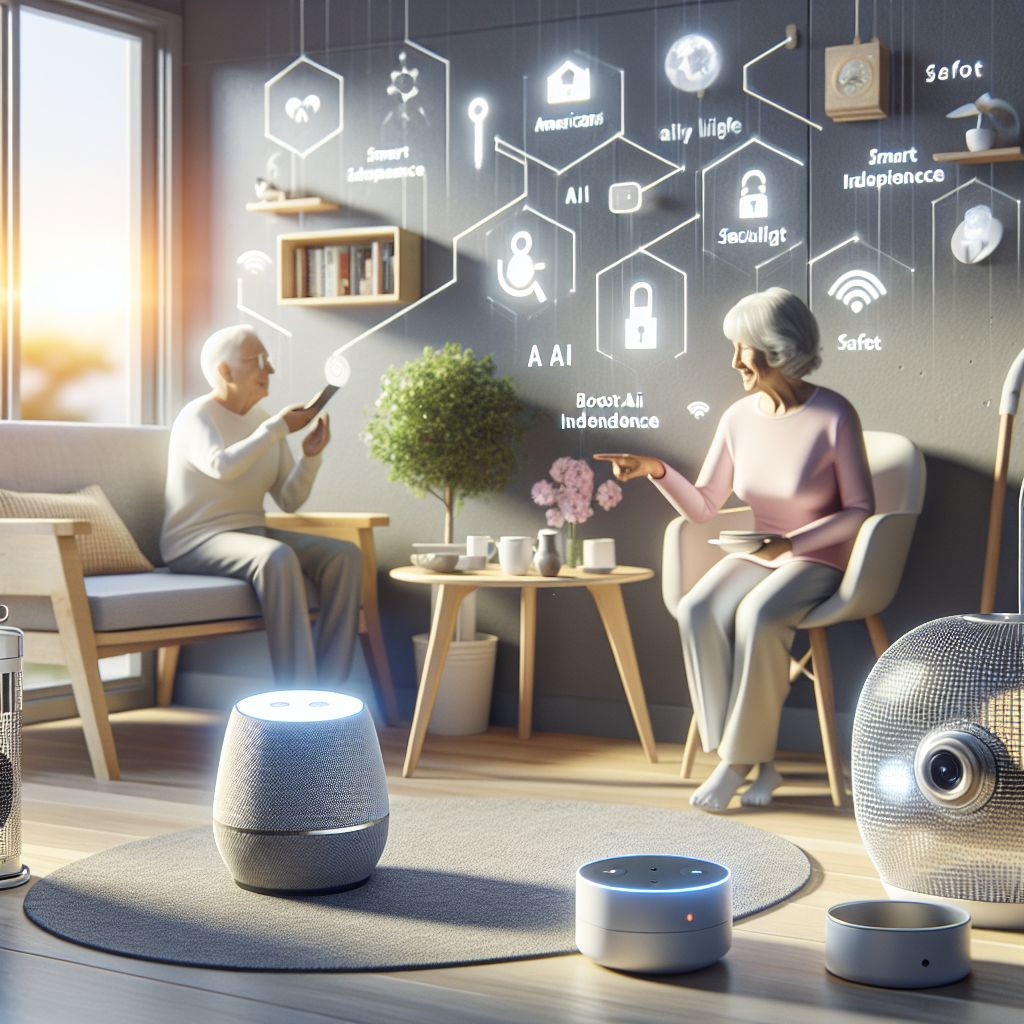
A few years ago, smart home tech was genuinely frustrating for the average person. You needed a separate app for every brand, a hub the size of a router, and a Saturday afternoon just to get one light bulb talking to your phone.
That’s changed. Thanks to a new universal standard called Matter, plus voice assistants that have gotten noticeably better at understanding plain English, smart home and AI gadgets for non-tech people are now genuinely plug-and-play. Most devices released in 2026 connect over Wi-Fi or Bluetooth directly, work with Alexa, Google Home, or Apple Home out of the box, and don’t require you to understand what a “hub” even is.
This matters because the whole point of smart home gadgets for beginners should be less effort, not more. If a device takes longer to set up than it saves you over a year, it’s not actually smart — it’s just expensive.
Best Smart Home Gadgets for Beginners 2026 (Start Here)
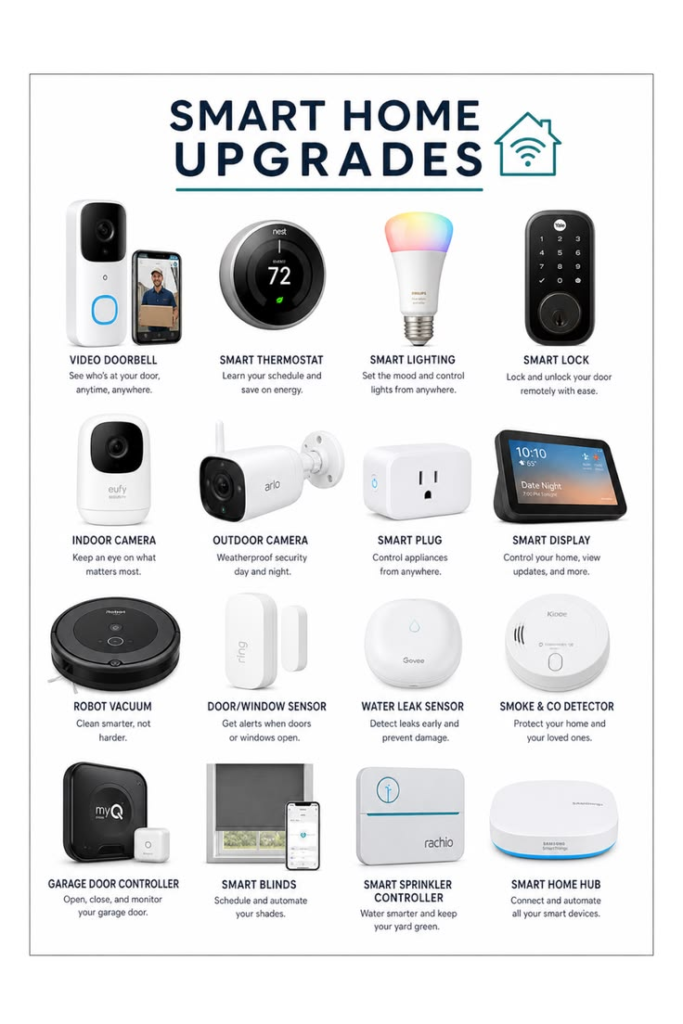
If you’re building your first smart home, don’t start with ten gadgets. Start with one or two that solve an actual daily annoyance. Here are the ones worth your first dollar.
Smart Plugs — The Cheapest Entry Point
A smart plug is the easiest way to dip a toe into smart home and AI gadgets for non-tech people. Plug it into any outlet, plug a lamp or fan into it, and now you can turn that device on or off from your phone or with a voice command. No electrician, no wiring, no learning curve. Most cost less than a nice dinner out.
Video Doorbells
A video doorbell lets you see and speak to whoever’s at your door from anywhere — useful for missed deliveries, unexpected visitors, or just peace of mind when you’re not home. Setup is usually a five-minute job with a screwdriver and the manufacturer’s app.
Smart Bulbs
You don’t need to rewire your house to get smart lighting. Screw-in smart bulbs work with your existing fixtures and let you dim, schedule, or change the color of your lights from your phone or by voice. They’re one of the most satisfying smart home gadgets for beginners because the payoff is instant and visible.
Voice Assistant Speakers
A voice assistant speaker (like an Echo or Google Nest device) acts as the control center for everything else — timers, weather, reminders, music, and controlling other smart devices — all without opening an app. For someone who doesn’t want to fuss with screens, this is often the single most useful purchase.
Robot Vacuums
Genuinely one of the best AI gadgets that actually save time. Modern robot vacuums map your home, avoid obstacles, empty their own bins, and run on a schedule so you never have to think about vacuuming again. It’s the rare smart gadget where the AI is doing real, boring, valuable work in the background.
AI Gadgets That Actually Save Time (Not Just Look Cool)

Not every AI gadget is worth owning. Some are genuinely useful. Others are solutions looking for a problem. Here’s how to tell the difference — and which ones consistently earn their keep.
Smart thermostats learn your schedule and adjust heating or cooling automatically, often paying for themselves in energy savings within a year or two.
AI-powered smart plugs with energy tracking show you exactly which appliances are quietly driving up your bill — often things you’d never suspect.
Smart locks let you let in a dog walker, guest, or family member remotely, without ever cutting a spare key.
AI email and calendar assistants (built into tools many people already use) can summarize long email threads or suggest meeting times, saving genuine hours over a busy week.
The common thread among AI gadgets that actually save time: they remove a small, repeated task from your day rather than adding a new one. If a gadget requires daily babysitting, it’s not saving you time — it’s a new chore with better marketing.
AI Security Camera vs Traditional Security: Which Is Right for You?

This is one of the most common questions from people exploring smart home and AI gadgets for non-tech people, and the honest answer is: it depends on what you’re trying to solve.
Traditional security systems (professionally monitored, wired sensors, physical control panels) are built for one job: alerting authorities fast during a break-in. They’re reliable, don’t depend on your Wi-Fi, and often come with a real human monitoring team. The tradeoff is cost — usually a monthly contract and professional installation.
AI security cameras use motion detection and object recognition to tell the difference between a passing car, a delivery driver, and an actual person lingering at your door. They send alerts straight to your phone, store footage in the cloud, and typically cost far less upfront with no long-term contract. The tradeoff: they rely on your internet connection, and cheaper models can produce false alerts if not set up properly.
For most non-tech households, a well-placed AI security camera at the front door and driveway covers 90% of real-world use cases — parcel theft, unexpected visitors, checking in on pets — without the cost or complexity of a full traditional system. If you live somewhere with higher security needs, a hybrid approach (AI cameras plus a monitored alarm) is worth the extra cost.
Smart Home Setup Without a Hub: A Simple 4-Step Process
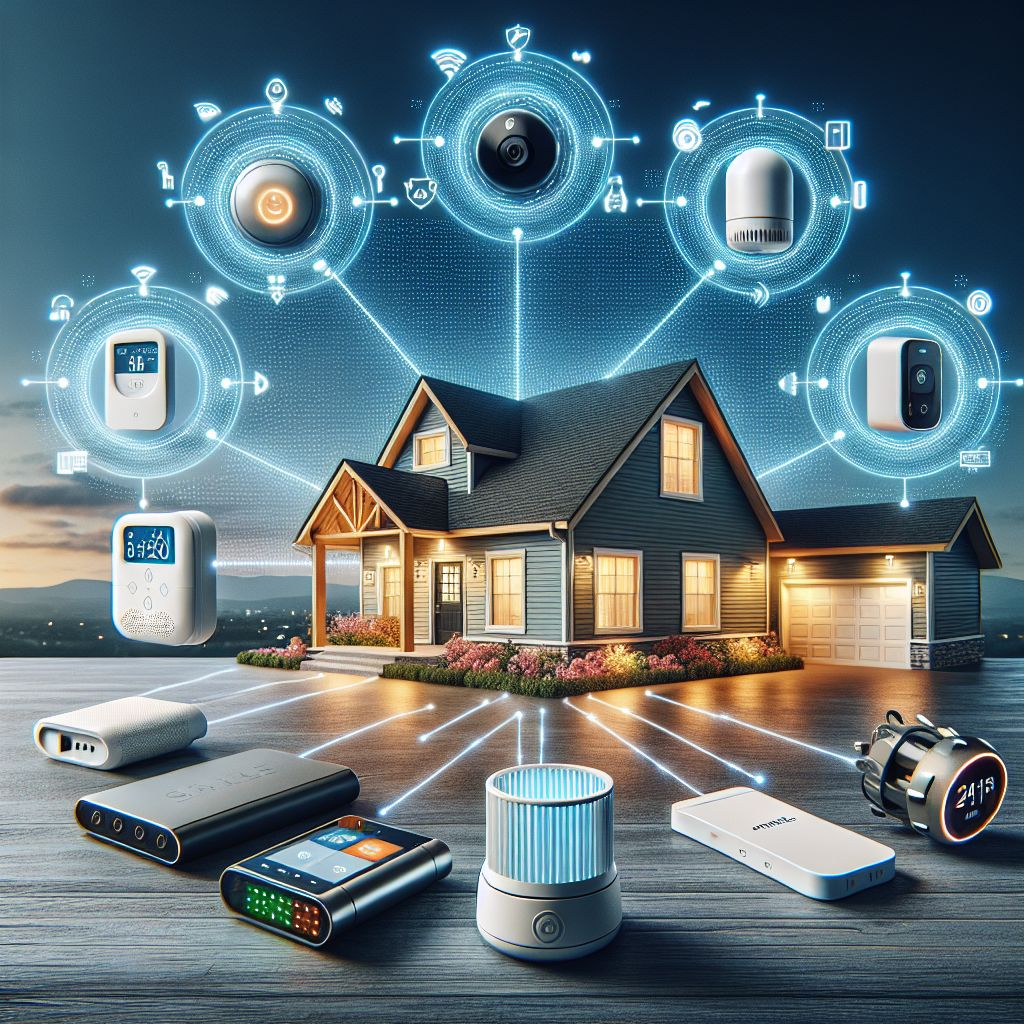
One of the biggest myths stopping people from starting is the idea that you need a central hub device to run a smart home. In 2026, you almost never do. Here’s how a smart home setup without a hub actually works:
- Pick one starting device. A smart plug or smart bulb is the easiest first step.
- Download the manufacturer’s app (or check if it supports Matter, which lets it work directly with Apple Home, Google Home, or Amazon Alexa).
- Connect it to your home Wi-Fi — this is almost always a guided, five-minute process in the app.
- Link it to a voice assistant if you want voice control, using the “link accounts” or “add device” option inside the Alexa, Google Home, or Apple Home app.
That’s it. No hub, no wiring, no technician visit. Most people can set up their first three devices in under half an hour.
Underrated Smart Home Devices in 2026 Worth a Second Look
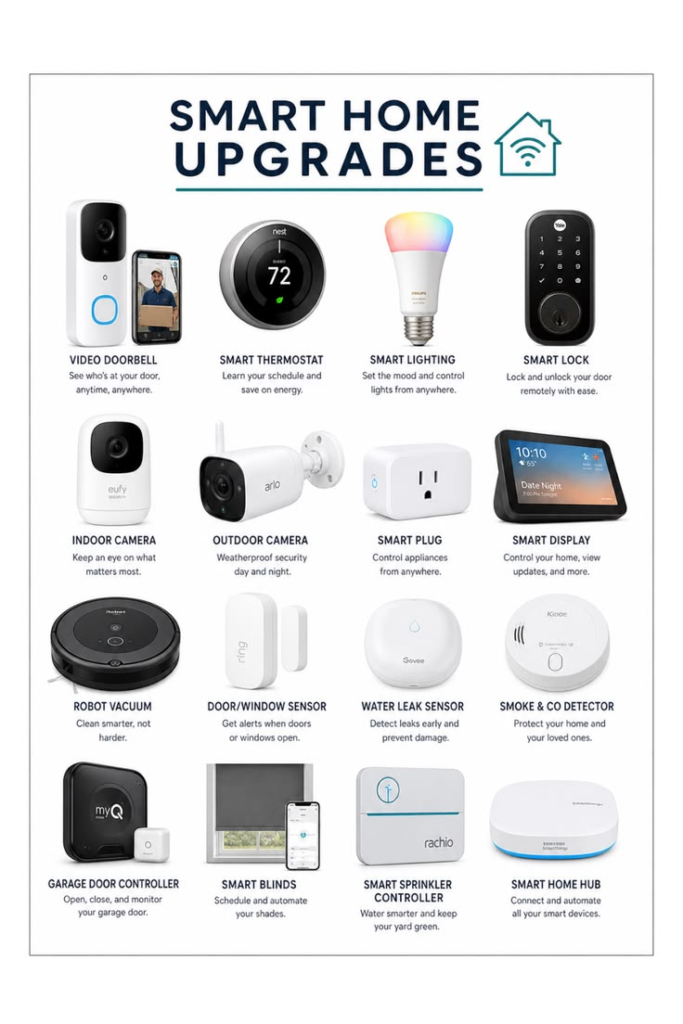
Beyond the obvious doorbells and speakers, a few underrated smart home devices in 2026 deserve more attention than they get:
- Smart water leak sensors — cheap, tiny, and capable of preventing thousands of dollars in water damage by alerting you the moment a pipe leaks.
- Smart smoke and CO detectors — send a phone alert even when you’re not home, unlike traditional detectors that only make noise locally.
- Smart blinds or curtain motors — quietly useful for both privacy and cutting cooling costs by automatically closing during peak sun hours.
- Smart garage door controllers — solve the very common “did I leave the garage open?” anxiety with a simple app check or automatic close timer.
None of these are flashy, but they solve real, specific problems — which is exactly what smart home gadgets for beginners should do.
AI Companion Apps 2026: The Rise of the AI Chatbot for Loneliness
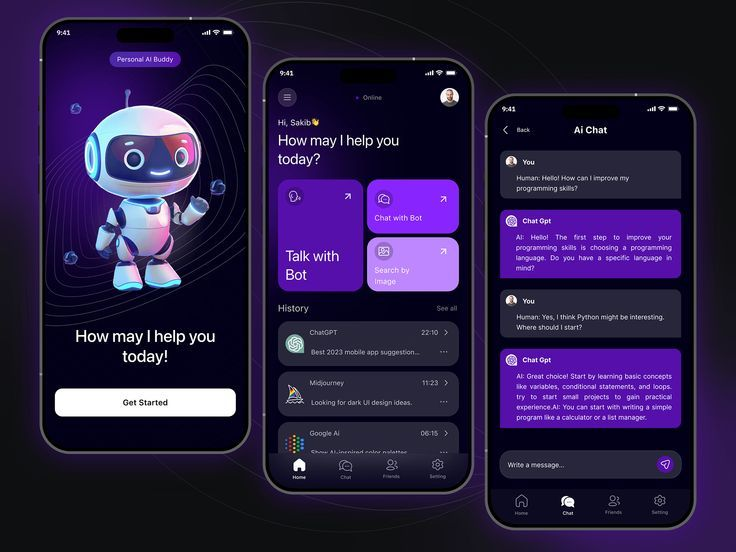
AI gadgets aren’t just about lights and locks anymore. One of the fastest-growing categories in AI gadgets for non-tech people is software, not hardware: AI companion apps.
These apps are designed for conversation — checking in on your day, remembering details you’ve shared, and being available at 2 a.m. when no one else is. Searches for the best AI chatbot for loneliness have climbed steadily as more people, especially those who live alone, work remotely, or have limited social circles, turn to these apps for a sense of connection.
If you’re looking for character AI alternatives that are free, most companion apps offer a free tier with basic conversation features, with paid tiers unlocking voice calls, longer memory, or more personalized characters. It’s worth trying two or three free versions before committing to a subscription, since tone and personality vary a lot between apps.
Is Talking to AI Bad for Mental Health?
This is a fair and increasingly common question, and the honest answer is: it depends on how it’s used.
Used occasionally — to vent, organize your thoughts, or feel less alone during a quiet evening — talking to an AI companion app isn’t inherently harmful. Many people find it genuinely soothing to have a non-judgmental space to talk.
Where it becomes a concern is when AI conversation starts to replace human relationships rather than supplement them, or when someone relies on it during a genuine mental health crisis. AI companion apps don’t have real understanding, can’t intervene in an emergency, and can sometimes just agree with you rather than gently challenge unhelpful thinking — something a real friend or therapist would do. If you notice you’re canceling plans with real people in favor of chatting with an app, that’s a signal worth paying attention to, not ignoring.
AI Therapy Apps vs Real Therapist: What’s the Real Difference?
AI therapy apps are not the same thing as therapy, and it’s worth being clear-eyed about that distinction.
AI therapy apps are available 24/7, low-cost or free, and useful for light journaling, mood tracking, or working through everyday stress. They’re a reasonable first step if cost or access is a barrier, or a helpful supplement between sessions.
A real therapist brings professional training, the ability to diagnose and treat mental health conditions, accountability, and genuine human understanding of nuance, trauma, and context that current AI simply cannot replicate. For anything beyond everyday stress — anxiety disorders, depression, grief, trauma — a licensed therapist remains the safer, more effective option.
A sensible approach for most people: use AI therapy apps as a light-touch tool for daily check-ins, and use a real therapist for anything deeper. They’re not competitors — one is a notebook, the other is a doctor.
If you’re currently struggling and finding it hard to cope, please consider reaching out to a mental health professional or a crisis line in your area — a caring, qualified human is always the better first call.
How to Choose Your First Smart Home and AI Gadgets Without Overspending
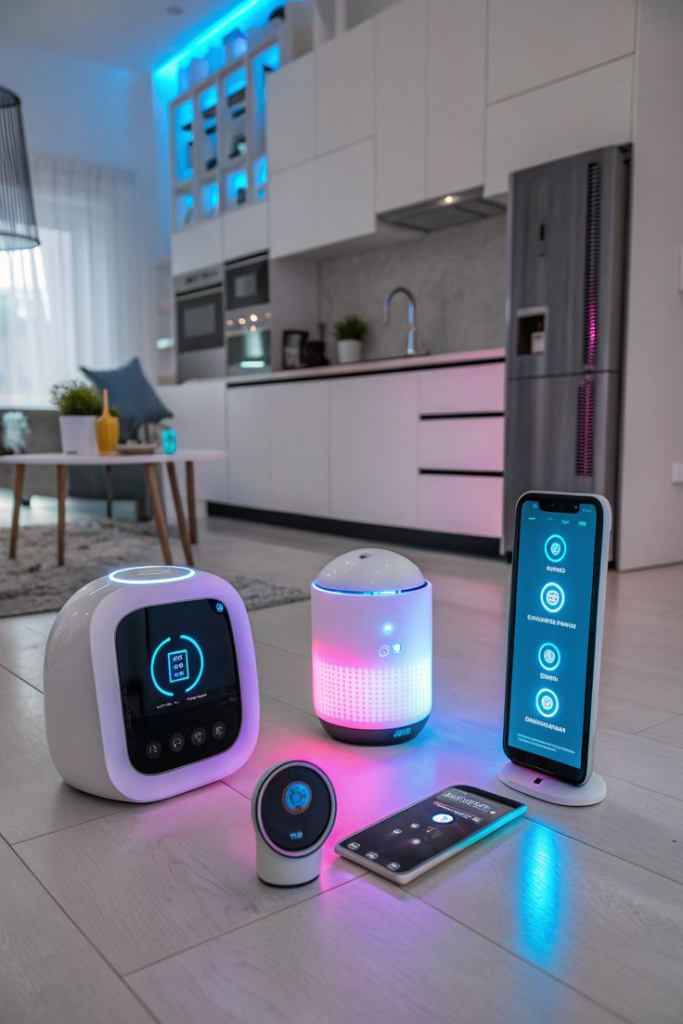
With so many options, it’s easy to overspend on your first smart home setup. A few rules of thumb:
- Start with one problem, not one product. Ask “what annoys me daily?” before you ask “what’s cool?”
- Check compatibility before buying. Look for the Matter logo or explicit support for your voice assistant of choice.
- Buy from brands with a real return policy. Smart gadgets are notorious for compatibility surprises — a generous return window saves headaches.
- Resist the urge to automate everything at once. Two or three well-chosen smart home gadgets for beginners will teach you more about what you actually want than ten gadgets bought in one shopping spree.
Frequently Asked Questions
What are the best smart home gadgets for beginners in 2026?
Smart plugs, smart bulbs, video doorbells, voice assistant speakers, and robot vacuums are the best smart home gadgets for beginners in 2026. They’re affordable, need no technical background, and solve everyday problems within minutes of setup.
Can I set up a smart home without a hub?
Yes. Most 2026 smart home devices connect directly over Wi-Fi or Bluetooth and work with Apple Home, Google Home, or Amazon Alexa through the Matter standard — a smart home setup without a hub is now the default, not the exception.
Is an AI security camera better than a traditional security system?
For most households, an AI security camera offers strong protection at a lower cost with no contract, making it a great starting point. Traditional, professionally monitored systems are still better suited to higher-risk homes or those wanting a live monitoring team.
Is talking to AI bad for mental health? Talking to AI companion apps in moderation isn’t inherently harmful and can offer comfort or a space to think out loud. It becomes a concern if it replaces real human relationships or is used in place of professional help during a genuine crisis.
Are AI therapy apps a replacement for a real therapist?
No. AI therapy apps are useful for everyday mood tracking and light support, but they cannot diagnose, treat, or replace the trained judgment of a licensed therapist for anxiety, depression, trauma, or other clinical concerns.
Final Thoughts: Start Small, Stay Curious
You don’t need to become a tech expert to enjoy the benefits of a smarter home. The best smart home and AI gadgets for non-tech people in 2026 are the ones that quietly disappear into your daily routine — the light that just works, the vacuum you forget is running, the camera that lets you relax when you’re away.
Start with one gadget. See how it feels. Add the next one only when it solves a real problem for you. And when it comes to AI companion apps or AI therapy tools, use them as a helpful extra layer — not a replacement for the people, or professionals, who can actually be there for you.
Ready to build your first smart home?
Start with a single smart plug or smart bulb this week, and see how much easier your routine feels before adding anything else.

